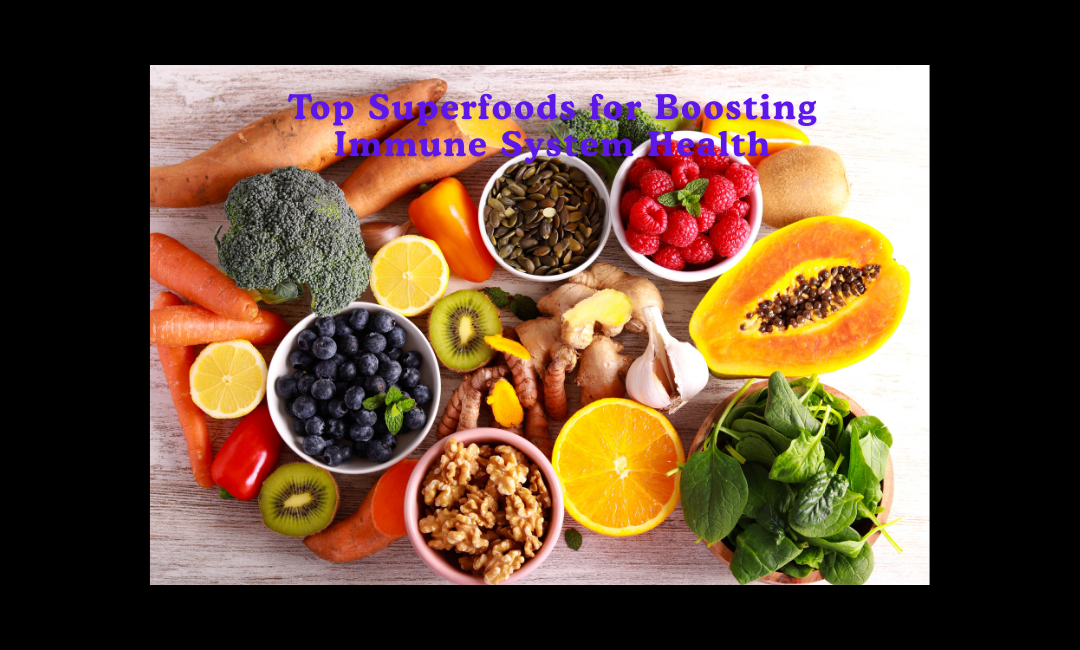
Top Superfoods for Boosting Immune System Health
In today’s fast-paced world, maintaining a strong immune system is more critical than ever. With the constant exposure to environmental stressors, seasonal illnesses, and the demands of modern life, a robust immune system serves as the body’s first line of defense against infections and diseases. While medical advancements and supplements can provide support, nutrition remains the cornerstone of immune health. The phrase “you are what you eat” holds particularly true when it comes to your immunity.
Incorporating nutrient-dense foods into your diet can significantly enhance your body’s ability to fend off illnesses. These foods, often referred to as “superfoods,” are packed with essential vitamins, minerals, antioxidants, and other compounds that provide comprehensive health benefits. From reducing inflammation to fortifying cells against harmful pathogens, superfoods offer a natural and effective way to boost your immune resilience.
This blog explores the top superfoods scientifically proven to support and strengthen the immune system. Whether you’re looking to prevent common colds, recover faster from illnesses, or simply improve your overall health, adding these superfoods to your diet can make a remarkable difference. Let’s delve into the world of immune-boosting nutrition and discover how you can protect your health with every bite.
Citrus Fruits
Citrus fruits like oranges, lemons, grapefruits, and limes are famous for their high vitamin C content. This essential nutrient is a powerful antioxidant that helps increase the production of white blood cells, which play a crucial role in fighting infections. Including citrus fruits in your daily diet can also reduce inflammation and improve skin health, further supporting the body’s defenses.
How to Incorporate:
Start your day with a glass of fresh orange juice.
Add lemon slices to water or tea for a refreshing twist.
Use lime juice as a dressing for salads or marinades.
Garlic
Garlic is more than just a flavor enhancer in cooking; it’s a natural immune booster. Its key compound, allicin, has antimicrobial and antiviral properties that can help prevent and treat infections. Studies suggest that regular consumption of garlic may lower the risk of colds and flu, thanks to its ability to stimulate immune cells.
How to Incorporate:
Add minced garlic to soups, stir-fries, or sauces.
Roast garlic cloves for a mellow and slightly sweet flavor.
Consider taking garlic supplements after consulting with a healthcare provider.
Ginger
Known for its anti-inflammatory and antioxidant effects, ginger has been used for centuries in traditional medicine. It helps reduce inflammation and combat oxidative stress, which can weaken the immune system. Ginger is particularly effective in soothing sore throats and reducing nausea, making it a go-to remedy during flu season.
How to Incorporate:
Brew ginger tea by steeping fresh slices in hot water.
Use grated ginger in smoothies, soups, or marinades.
Mix ginger with honey for a natural immune-boosting remedy.
Spinach
Spinach is a nutritional powerhouse packed with vitamins A, C, and E, along with antioxidants and beta-carotene. These nutrients work together to support immune function by enhancing the body’s ability to fight off infections. The iron content in spinach also plays a vital role in maintaining energy levels and overall health.
How to Incorporate:
Add raw spinach to salads or smoothies.
Sauté spinach with garlic and olive oil for a simple side dish.
Use spinach as a base for soups or pasta dishes.
Yogurt
Probiotic-rich foods like yogurt help maintain a healthy gut, which is closely linked to immune health. The live cultures in yogurt promote the growth of beneficial bacteria in the digestive tract, aiding in better nutrient absorption and improving the body’s defense mechanisms. Look for plain, unsweetened yogurt with active cultures for maximum benefits.
How to Incorporate:
Enjoy yogurt with fresh fruits and nuts for a nutritious snack.
Use yogurt as a base for smoothies or salad dressings.
Opt for Greek yogurt to boost your protein intake.
Turmeric
Turmeric is a golden spice celebrated for its potent anti-inflammatory and antioxidant properties. Its active compound, curcumin, helps modulate the immune system and protect against chronic inflammation, which can impair immune function. Adding turmeric to your meals is an easy way to harness its health benefits.
How to Incorporate:
Add a pinch of turmeric to soups, stews, or rice dishes.
Make golden milk by mixing turmeric with warm milk and honey.
Use turmeric powder in smoothies or herbal teas.
Berries
Berries like blueberries, strawberries, and elderberries are rich in antioxidants, particularly flavonoids. These compounds help reduce oxidative stress and support the immune system. Elderberries, in particular, are known for their antiviral properties and are often used in syrups or supplements to combat colds and flu.
How to Incorporate:
Add berries to your morning oatmeal or yogurt.
Blend them into smoothies for a refreshing drink.
Snack on a handful of fresh or dried berries throughout the day.
Nuts and Seeds
Almonds, sunflower seeds, and walnuts are excellent sources of vitamin E, zinc, and healthy fats, all of which play a vital role in immune function. Vitamin E acts as a powerful antioxidant, while zinc helps the body produce infection-fighting white blood cells.
How to Incorporate:
Sprinkle seeds or nuts on salads, cereals, or yogurt.
Snack on a handful of almonds or walnuts during the day.
Use nut butter as a spread or in smoothies.
Green Tea
Green tea is packed with antioxidants called catechins, which boost immune function by protecting cells from damage. Its moderate caffeine content can also improve focus and energy without the jitters, making it a great alternative to coffee.
How to Incorporate:
Enjoy a cup of green tea in the morning or afternoon.
Use green tea as a base for smoothies.
Try matcha, a concentrated form of green tea, for an extra antioxidant boost.
Sweet Potatoes
Rich in beta-carotene, sweet potatoes help the body produce vitamin A, which is essential for maintaining the health of the skin and mucous membranes—critical components of the immune system. Their natural sweetness makes them a versatile ingredient in both savory and sweet dishes.
How to Incorporate:
Roast sweet potato wedges as a healthy side dish.
Mash them with a touch of cinnamon for a comforting treat.
Use sweet potatoes as a base for soups or casseroles.
In today’s world, the need for a strong immune system has never been more apparent. Whether it’s the flu season, the constant exposure to environmental stressors, or the global challenges we’ve faced in recent years, the importance of keeping our immune system in peak condition is vital. While many factors influence our immune health, one of the most powerful and accessible ways to support it is through nutrition.
Eating a well-balanced diet rich in vitamins, minerals, and antioxidants can provide your body with the necessary tools to fight infections, prevent disease, and promote overall health. Superfoods—those nutrient-dense foods packed with an array of health benefits—can significantly enhance your immune system’s efficiency. These foods are not only delicious but are also scientifically proven to provide a host of health benefits that go far beyond immune support.
In this extended guide, we will explore in greater detail the top superfoods that can boost immune system health. These superfoods contain compounds that help to strengthen the body’s defenses, reduce inflammation, and promote overall well-being. Whether you’re looking to ward off common colds, reduce your risk of chronic illness, or simply improve your daily health, integrating these powerful foods into your diet will make a remarkable difference.
Citrus Fruits: Vitamin C Powerhouses
Citrus fruits like oranges, lemons, limes, and grapefruits are often the first foods that come to mind when we think about boosting immune health. This is due to their high vitamin C content, a vitamin that is crucial for maintaining immune function.
Vitamin C has been shown to stimulate the production of white blood cells, which are essential in fighting off pathogens such as bacteria, viruses, and fungi. It also helps protect white blood cells from oxidative damage, enhancing their ability to respond to threats. Furthermore, vitamin C aids in the absorption of iron from plant-based sources, which is important for energy and immune function.
The antioxidants in citrus fruits also help reduce inflammation and support the skin, which acts as a physical barrier against pathogens. Since vitamin C is water-soluble and not stored by the body, it’s important to regularly consume citrus fruits to maintain an adequate supply.
How to Incorporate:
Start your morning with a glass of freshly squeezed orange juice to get a boost of vitamin C.
Add lemon slices to water for a refreshing twist, or use lemon zest in baking and cooking.
Use grapefruit as a base for smoothies or enjoy it on its own as a snack.
Garlic: The Natural Antimicrobial
Garlic is one of the oldest and most widely used natural remedies. Its key compound, allicin, gives garlic its distinctive smell and contributes to its antimicrobial, antiviral, and antifungal properties. These properties make garlic an excellent ally in the fight against infections.
Research suggests that garlic can enhance the activity of the immune system by stimulating the production of white blood cells and promoting the body’s ability to fight infections. Some studies have even shown that regular consumption of garlic may reduce the risk of common colds and respiratory infections. Garlic is also known for its ability to reduce inflammation, which is essential in preventing chronic illnesses that may compromise immune health.
How to Incorporate:
Add minced garlic to soups, stews, and stir-fries for a burst of flavor and immune support.
Roast garlic cloves for a milder, sweeter flavor to add to your favorite dishes.
Consider garlic supplements if you’re looking for a concentrated immune boost, but be sure to consult with a healthcare provider first.
Ginger: A Powerful Anti-Inflammatory Root
Ginger has been used for centuries in traditional medicine for its various health benefits, particularly for its ability to reduce inflammation and combat oxidative stress. Inflammation is a key factor that can weaken the immune system, so reducing it is crucial for maintaining health.
The active compounds in ginger, including gingerol, have been shown to have strong anti-inflammatory and antioxidant effects, which help boost immune function. Ginger is also known for its ability to support digestive health and reduce symptoms of nausea and indigestion, making it especially beneficial when you’re feeling under the weather. In addition, ginger has been found to improve circulation and promote detoxification, which are essential for maintaining overall health and immunity.
How to Incorporate:
Brew a cup of ginger tea by steeping fresh ginger slices in hot water with a dash of honey and lemon.
Add fresh or ground ginger to smoothies, soups, and curries for extra flavor and health benefits.
Include ginger in your baking or make ginger-based shots for an extra immune boost.
Spinach: A Leafy Green Full of Nutrients
Spinach is one of the most nutrient-dense vegetables, offering an array of vitamins, minerals, and antioxidants. It’s an excellent source of vitamins A, C, and E, which are all essential for proper immune function. Vitamin A plays a crucial role in maintaining the health of mucous membranes, such as those in the lungs and intestines, which serve as barriers to pathogens.
The vitamin C in spinach helps increase the production of white blood cells, while vitamin E acts as an antioxidant that protects cells from damage caused by free radicals. The beta-carotene in spinach further supports immune function by improving cell health and boosting the body’s ability to respond to infections. Additionally, spinach provides a healthy dose of iron, which is essential for energy production and the transportation of oxygen throughout the body.
How to Incorporate:
Toss fresh spinach leaves into salads for a nutrient-packed meal.
Sauté spinach with garlic and olive oil for a quick and easy side dish.
Add spinach to smoothies, soups, or pasta dishes for a hidden nutrient boost.
Yogurt: A Probiotic-Packed Immunity Booster
Yogurt is a powerhouse of probiotics—live bacteria that are beneficial for gut health. The gut is home to a large portion of the immune system, so maintaining a healthy gut microbiome is critical for overall immune function. The probiotics found in yogurt help balance the gut microbiota, promoting the growth of beneficial bacteria while preventing harmful pathogens from taking over.
Furthermore, yogurt is rich in protein and calcium, which help strengthen bones and support overall cellular function. Look for plain, unsweetened yogurt with live active cultures to get the maximum health benefits. If you’re looking to enhance the immune-boosting potential, opt for Greek yogurt, which contains higher protein content and is less likely to contain added sugars.
How to Incorporate:
Enjoy a bowl of yogurt with fresh fruits, nuts, and a drizzle of honey for a delicious breakfast or snack.
Use yogurt as a base for smoothies or in salad dressings for a creamy texture and added probiotics.
Try frozen yogurt as a healthy alternative to ice cream.
Turmeric: The Golden Spice for Immune Health
Turmeric, the bright yellow spice commonly used in Indian and Middle Eastern cuisines, contains curcumin, a powerful compound known for its anti-inflammatory and antioxidant properties. Curcumin has been extensively studied for its ability to modulate immune function and protect against chronic diseases, such as heart disease, cancer, and Alzheimer’s.
In addition to supporting immune health, turmeric helps regulate the body’s inflammatory response, which is critical in preventing the kind of chronic inflammation that can weaken the immune system. Turmeric also has antiviral and antimicrobial properties that can help protect the body against infections.
How to Incorporate:
Add turmeric to soups, stews, or rice for a warm, earthy flavor.
Mix turmeric with warm milk and honey to make a soothing golden milk drink, Top Superfoods for Boosting Immune System Health.
Sprinkle turmeric powder over roasted vegetables or use it to season meats and tofu, Top Superfoods for Boosting Immune System Health.
Berries: Antioxidant-Rich Fruits for Immune Health
Berries—particularly blueberries, strawberries, raspberries, and elderberries—are some of the most antioxidant-rich foods available. These antioxidants, including flavonoids, help protect the body from oxidative stress, which can damage cells and weaken the immune system.
Elderberries, in particular, have been shown to have strong antiviral properties and are often used in syrups to reduce the duration and severity of cold and flu symptoms. Blueberries and strawberries are also linked to improved immune function and reduced inflammation. The high fiber content of berries further supports gut health, which is directly tied to immune health.
How to Incorporate:
Add berries to smoothies, yogurt, or oatmeal for a quick and delicious breakfast, Top Superfoods for Boosting Immune System Health.
Snack on fresh or dried berries throughout the day, Top Superfoods for Boosting Immune System Health.
Make a berry-based compote or sauce to drizzle over desserts or pancakes, Top Superfoods for Boosting Immune System Health.
In a world that is constantly fighting off viruses, bacteria, and environmental stressors, ensuring that our immune system is functioning at its best is essential. The good news is that you don’t have to rely solely on medications or supplements to strengthen your body’s defenses. Superfoods, nature’s potent powerhouses, are packed with essential nutrients that can bolster your immune system, protect you from infections, and enhance your overall health.
Superfoods are rich in vitamins, minerals, antioxidants, and other bioactive compounds that play vital roles in supporting immune health. By focusing on eating a variety of these nutrient-dense foods, you can significantly reduce your chances of getting sick and promote long-term well-being. This extended guide will explore even more immune-boosting superfoods, their health benefits, and how to easily incorporate them into your diet.
Mushrooms: Immunity-Enhancing Fungi
Mushrooms have long been revered in traditional medicine for their ability to enhance immune function, and recent scientific research has supported these claims. Certain types of mushrooms, such as shiitake, maitake, and reishi, contain compounds like beta-glucans that help stimulate immune responses. Beta-glucans activate immune cells, such as macrophages and neutrophils, which help identify and destroy harmful pathogens.
Additionally, mushrooms contain vitamins B and D, both of which are crucial for immune health. Vitamin D, in particular, helps modulate the immune system, ensuring that the body’s response to infections is appropriate and not overactive. Mushrooms are also known to contain antioxidants, which reduce inflammation and protect cells from oxidative stress, further promoting immune system health.
How to Incorporate:
Add sliced mushrooms to soups, salads, or stir-fries for a flavorful and immune-boosting addition, Top Superfoods for Boosting Immune System Health.
Make a mushroom-based broth or use it as a base for sauces, Top Superfoods for Boosting Immune System Health.
Try adding medicinal mushrooms like reishi or chaga in powder form to smoothies or hot drinks for an extra immune boost, Top Superfoods for Boosting Immune System Health.
Pomegranate: A Powerhouse of Antioxidants
Pomegranate is a fruit packed with antioxidants, particularly polyphenols like tannins and flavonoids, which have been shown to help reduce inflammation and oxidative stress. These compounds are crucial for protecting immune cells and enhancing their ability to respond to infections.
In addition to its antioxidant properties, pomegranate is a good source of vitamin C, which, as mentioned earlier, plays a vital role in stimulating immune responses. Pomegranate also contains other vitamins and minerals that help boost overall health, including potassium, which is essential for maintaining hydration and proper cell function.
Recent studies suggest that pomegranate may have antiviral and antibacterial properties, which can further protect the body from infections. Additionally, pomegranate’s ability to support heart health by improving blood flow can also contribute to overall well-being.
How to Incorporate:
Enjoy fresh pomegranate seeds as a topping for salads, yogurt, or smoothies, Top Superfoods for Boosting Immune System Health.
Drink pomegranate juice, but make sure it’s 100% pure and free from added sugars, Top Superfoods for Boosting Immune System Health.
Use pomegranate in sauces or dressings for a tangy twist to your meals, Top Superfoods for Boosting Immune System Health.
Avocados: Healthy Fats for Immune Support
Avocados are a rich source of healthy monounsaturated fats, which play a crucial role in maintaining the integrity of cell membranes, including immune cells. These healthy fats also help the body absorb fat-soluble vitamins like vitamins A, D, E, and K, all of which contribute to proper immune function.
In addition to healthy fats, avocados are packed with vitamins C and E, which are antioxidants that help protect immune cells from oxidative damage. They also provide a good dose of potassium, which helps regulate fluid balance and maintain healthy blood pressure—important aspects of overall health that indirectly support immune function.
Avocados are also rich in fiber, which supports gut health. Since the gut is closely connected to the immune system, maintaining a healthy gut microbiome is essential for overall immune health.
How to Incorporate:
Add sliced avocado to salads, toast, or tacos for a creamy and nutrient-rich topping, Top Superfoods for Boosting Immune System Health.
Blend avocados into smoothies or use them as a base for creamy dressings and sauces, Top Superfoods for Boosting Immune System Health.
Make guacamole as a healthy snack or appetizer, Top Superfoods for Boosting Immune System Health.
Green Leafy Vegetables: Nature’s Immune Shields
Vegetables like kale, Swiss chard, and collard greens are some of the best sources of vitamins A, C, and K, along with folate, calcium, and iron—all of which play significant roles in immune function. Vitamin A, in particular, supports the health of mucosal tissues, including those in the respiratory and digestive systems, which act as barriers to harmful pathogens.
Leafy greens are also high in antioxidants like lutein and zeaxanthin, which protect the immune system by neutralizing free radicals that can damage healthy cells. Their high fiber content is another benefit, as fiber helps promote a healthy gut microbiome, which is essential for strong immune function.
How to Incorporate:
Add leafy greens like kale or spinach to smoothies for a hidden nutrient boost, Top Superfoods for Boosting Immune System Health.
Toss greens into salads, soups, or stir-fries for a quick and nutritious meal, Top Superfoods for Boosting Immune System Health
Use them as wraps for sandwiches or as a base for grain bowls, Top Superfoods for Boosting Immune System Health.
Bell Peppers: A Burst of Vitamin C
Bell peppers, particularly red peppers, are one of the richest sources of vitamin C, which plays a central role in enhancing immune function. A single medium-sized red bell pepper contains more vitamin C than an entire orange! As a potent antioxidant, vitamin C helps stimulate the production of white blood cells, which are critical for fighting infections.
In addition to vitamin C, bell peppers are rich in vitamin A, which supports the health of skin and mucous membranes, further bolstering the body’s defenses against pathogens. Bell peppers also contain capsaicin, which has anti-inflammatory properties that can help reduce the risk of chronic diseases that can impair immune function.
How to Incorporate:
Add bell peppers to salads, stir-fries, or fajitas for extra flavor and nutrition, Top Superfoods for Boosting Immune System Health.
Snack on raw bell pepper slices with hummus or guacamole, Top Superfoods for Boosting Immune System Health.
Roast bell peppers and use them in soups, sandwiches, or wraps, Top Superfoods for Boosting Immune System Health.
Almonds: Immune-Boosting Nuts
Almonds are an excellent source of vitamin E, a fat-soluble antioxidant that plays a key role in immune function. Vitamin E helps protect the body’s cells from oxidative damage and is vital for the proper functioning of immune cells. In addition, almonds are a great source of healthy fats, fiber, and protein, which contribute to overall health and energy.
The zinc content in almonds also plays a role in immune health by supporting the development and function of immune cells. Almonds are rich in magnesium, which helps regulate the immune response and reduces inflammation.
How to Incorporate:
Snack on a handful of almonds for a quick and healthy energy boost, Top Superfoods for Boosting Immune System Health.
Add sliced almonds to salads, yogurt, or oatmeal for added crunch,Top Superfoods for Boosting Immune System Health.
Blend almonds into nut butter for a spread or smoothie base, Top Superfoods for Boosting Immune System Health.
Dark Chocolate: The Sweet Immune Booster
Dark chocolate, especially varieties containing at least 70% cacao, is rich in flavonoids, particularly epicatechin, which has antioxidant and anti-inflammatory effects. These compounds help neutralize free radicals and improve circulation, both of which support immune function. In fact, moderate consumption of dark chocolate can help enhance the production of certain immune cells and improve overall immune responses.
Dark chocolate also contains small amounts of zinc and magnesium, which are essential for immune health. Additionally, it contains serotonin and other compounds that help improve mood and reduce stress, which in turn can prevent stress-related immune suppression, Top Superfoods for Boosting Immune System Health.
How to Incorporate:
Enjoy a small piece of dark chocolate as a satisfying snack, Top Superfoods for Boosting Immune System Health.
Add cocoa powder to smoothies or homemade energy bars, Top Superfoods for Boosting Immune System Health.
Sprinkle cacao nibs on yogurt, oatmeal, or baked goods, Top Superfoods for Boosting Immune System Health.
Seeds: Nutrient-Packed Superfoods
Chia seeds, flaxseeds, and sunflower seeds are excellent sources of omega-3 fatty acids, fiber, and antioxidants. These seeds provide essential nutrients that help reduce inflammation, regulate blood sugar, and support immune health. Omega-3 fatty acids, in particular, have been shown to improve the function of immune cells and lower the risk of chronic diseases that can impair immune function.
Flaxseeds are also a rich source of lignans, which have antioxidant properties, while sunflower seeds contain high amounts of vitamin E, which further boosts the body’s immune defenses.
How to Incorporate:
Sprinkle seeds on top of yogurt, salads, or smoothie bowls, Top Superfoods for Boosting Immune System Health.
Add chia or flaxseeds to your morning oatmeal or bake them into muffins or bread, Top Superfoods for Boosting Immune System Health.
Make a simple seed butter by blending seeds in a food processor for a nutrient-dense spread, Top Superfoods for Boosting Immune System Health.
Conclusion: Supercharge Your Immunity Naturally
Superfoods are an incredible tool in boosting immune system health and improving overall well-being. By incorporating a variety of nutrient-dense foods like mushrooms, pomegranate, avocado, green leafy vegetables, and more into your diet, you can give your body the best possible defense against illness. Each superfood brings a unique set of nutrients that support various aspects of immune function, from reducing inflammation and oxidative stress to boosting white blood cell production and supporting gut health.
The key to a stronger immune system lies in variety and consistency. By making these superfoods a regular part of your meals, you can ensure your body has the nutrients it needs to stay resilient and healthy. The path to optimal immune health is within your control, and it starts with the food you choose to eat. So, start incorporating these immune-boosting superfoods into your diet today and enjoy the long-term health benefits they bring!