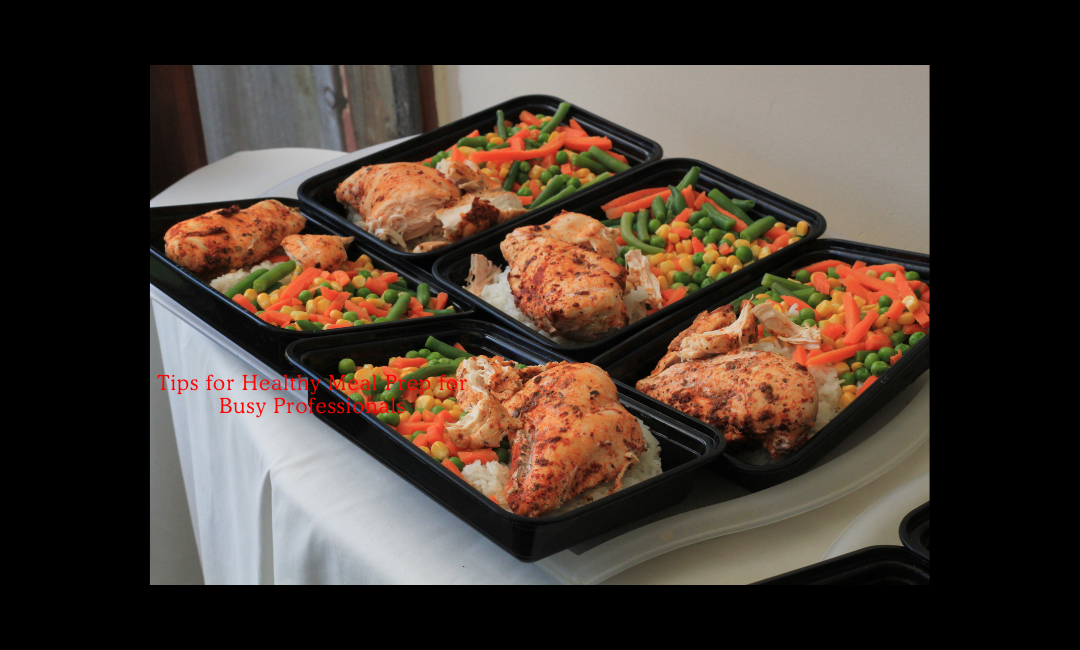
Tips for Healthy Meal Prep for Busy Professionals
In today’s fast-paced world, where time is often a luxury, busy professionals are constantly juggling deadlines, meetings, and personal commitments. Amidst this hustle, maintaining a healthy diet can be a challenging task. Many people find themselves resorting to quick, unhealthy options such as fast food or vending machine snacks to fuel their day, leading to a range of issues like fatigue, weight gain, and poor overall health.
However, with a little planning and preparation, healthy eating doesn’t have to be difficult or time-consuming. Enter meal prep—an efficient and effective way to ensure that you have nutritious, home-cooked meals ready to go throughout the week. Meal prepping involves preparing ingredients or entire meals in advance, saving both time and mental energy during busy workdays. By setting aside a small amount of time each week for meal prep, you can enjoy balanced, nourishing meals without the stress of deciding what to cook every day.
In this blog post, we’ll explore practical tips for healthy meal prep that busy professionals can incorporate into their routines. From choosing the right ingredients to mastering meal prep techniques, these tips will help you stay on track with your health goals while managing your demanding professional life.
1. Plan Ahead: The Foundation of Meal Prep Success
The first and most important step in meal prepping is planning. Without a solid plan, meal prep can quickly become overwhelming and ineffective. Take some time at the beginning of each week to decide what meals you want to prepare. Consider your work schedule, activities, and any social plans to ensure your meals align with your week’s demands.
When planning your meals, aim for a balance of macronutrients: protein, healthy fats, and carbohydrates. Incorporating a variety of vegetables, fruits, and whole grains is essential to ensure that you’re getting the vitamins and minerals needed for optimal energy levels. Keep it simple, but aim to diversify the meals throughout the week to avoid getting bored with the same options.
Pro Tip: Create a rotating menu with your favorite go-to meals and ingredients to make the planning process more efficient. This way, you can simply update the plan each week rather than starting from scratch.
2. Batch Cook: Make Large Portions of Meals at Once
Batch cooking is one of the most time-efficient strategies for meal prepping. This involves cooking large portions of a meal that can be divided into multiple servings and eaten throughout the week. For example, prepare a big batch of quinoa, grilled chicken, or a vegetable stir-fry that can be eaten for lunch and dinner on different days.
When batch cooking, make sure to choose meals that store well in the refrigerator or freezer without losing flavor or texture. Stews, soups, casseroles, and baked dishes often work well for this. If you have limited time on Sundays or another designated prep day, cooking two or three meals at once can give you variety throughout the week without spending hours in the kitchen.
Pro Tip: Invest in good-quality, airtight containers for storing your prepped meals. Glass containers with tight-fitting lids work best for preserving freshness.
3. Incorporate Nutrient-Dense Foods
One of the greatest benefits of meal prepping is the ability to control what goes into your meals. When you’re pressed for time, it’s easy to grab processed snacks or unhealthy options, but prepping your meals in advance allows you to incorporate nutrient-dense foods that fuel your body for the long haul.
Here are some nutrient-dense ingredients to include in your meal prep:
- Leafy Greens: Spinach, kale, arugula, and Swiss chard are great additions to salads, wraps, and smoothies.
- Whole Grains: Brown rice, quinoa, bulgur, and oats are excellent sources of complex carbohydrates that provide lasting energy.
- Lean Proteins: Skinless chicken breast, turkey, tofu, tempeh, and fish are great sources of lean protein that can help build muscle and keep you full.
- Healthy Fats: Avocados, nuts, seeds, and olive oil are healthy fats that support brain health and hormone regulation.
- Fruits and Vegetables: Fresh or frozen produce offers an abundance of vitamins, minerals, and fiber to support overall well-being.
Pro Tip: Opt for frozen vegetables if fresh ones aren’t available or you don’t have time to chop them. They are often just as nutritious and can save you preparation time.
4. Use Simple Cooking Techniques
For busy professionals, time-saving cooking methods are key. Some of the best techniques for meal prep include:
- Sheet-Pan Meals: Place a variety of protein and vegetables on a baking sheet and roast them all together. It’s simple, requires minimal effort, and you can make large batches in one go.
- Slow Cooker or Instant Pot: These appliances are a lifesaver when it comes to meal prepping. Simply add ingredients in the morning, and come home to a ready-to-eat, flavorful meal. Soups, stews, and curries are great options.
- Stovetop Sautéing: Stir-fries or skillet meals are quick to prepare and can be customized with different vegetables, proteins, and spices.
- One-Pot Meals: Meals that can be cooked in one pot or pan, like chili or pasta dishes, are perfect for meal prep and easy cleanup.
Pro Tip: Cook ingredients separately rather than all together in one dish, as this gives you more versatility in mixing and matching meals during the week.
5. Portion Control and Storage
Portioning out your meals in advance can help with both convenience and controlling your calorie intake. Once your meals are prepared, divide them into individual portions so you don’t have to worry about measuring out servings each time you eat. This also ensures that you have the right amount of food without overeating or under-eating.
When storing meals, it’s important to consider how long they will stay fresh. Most meals can last in the fridge for 3-4 days, so be sure to label containers with the date they were prepared. For meals that you won’t consume within that timeframe, freeze them for longer storage.
Pro Tip: Use a color-coded system for your containers (e.g., green for salads, red for protein) to easily identify what’s in each one and minimize the time spent searching through your fridge.
6. Prepare Snacks for Busy Days
Healthy snacks are just as important as main meals, especially when you have a busy schedule and need quick energy boosts. Instead of reaching for processed, sugar-laden snacks, take a few minutes to prepare grab-and-go options such as:
- Mixed nuts or trail mix (with no added sugars or preservatives)
- Chopped vegetables with hummus or guacamole
- Greek yogurt with berries and honey
- Hard-boiled eggs
- Rice cakes with almond butter
Having a variety of healthy snacks ready to go will prevent you from making impulsive, unhealthy choices.
7. Stay Flexible and Avoid Perfectionism
While meal prepping is a fantastic way to stay on track with your health goals, it’s important to remain flexible. Life happens, and you may not always stick to your meal prep schedule perfectly. Don’t be too hard on yourself if you end up eating out or if a meal goes to waste. The goal is to make meal prepping a sustainable, stress-free habit that helps you lead a healthier lifestyle.
Pro Tip: Keep a few healthy emergency options on hand, like frozen meals or pre-washed salad greens, for those days when life gets in the way.
Incorporate a Variety of Flavors to Keep Things Interesting
One of the biggest hurdles to sticking with a meal prep routine is getting bored with the meals. Eating the same dishes every day can lead to dissatisfaction, making you more likely to abandon your efforts. To keep your meals exciting and enjoyable, incorporate a variety of flavors and cuisines into your meal prep.
Experiment with different herbs, spices, and condiments to bring new life to your meals. For example, you could:
- Add tahini, curry powder, or sriracha to your grains or salads for a burst of flavor.
- Try marinating your proteins in lemon juice, garlic, and fresh herbs to infuse them with different tastes.
- Incorporate international flavors like Mexican, Mediterranean, or Asian by using ingredients like lime, cumin, feta cheese, or soy sauce.
Using different flavor profiles in your meal prep ensures that your food doesn’t feel repetitive and helps you stay motivated throughout the week.
Pro Tip: If you enjoy variety, you could prep a few basic ingredients like roasted vegetables or cooked grains, and then switch up the sauces and seasonings each day to create a different flavor experience without having to cook from scratch every time.
9. Leverage Time-Saving Kitchen Tools
As a busy professional, any tool that helps you save time is a game-changer in meal prep. Several kitchen gadgets can make your prep time quicker and more efficient, allowing you to focus on other tasks or just relax.
- Food Processor: Use a food processor to chop vegetables, shred cheese, or make dressings quickly. This reduces prep time significantly, especially when you’re preparing multiple servings.
- Spiralizer: If you’re looking to incorporate more vegetables into your diet, a spiralizer can turn zucchini, carrots, or sweet potatoes into “noodles” for a healthy alternative to pasta. These veggie noodles can be easily prepped in bulk and stored in the fridge.
- Rice Cooker: A rice cooker or multi-functional appliance like an Instant Pot can prepare grains with little effort. Simply measure your ingredients, push a button, and come back to perfectly cooked rice, quinoa, or oats.
- Blender: Blenders are not just for smoothies! You can use them to make soups, sauces, or dressings that can be portioned out and stored for later use.
Pro Tip: If you’re limited on kitchen space or don’t want to invest in too many gadgets, look for multi-use tools like a food processor that can handle chopping, slicing, and grating, or a slow cooker that doubles as a rice cooker.
10. Prepare Versatile Ingredients for Easy Mixing and Matching
When you’re meal prepping, it’s a great idea to prepare ingredients that can be mixed and matched easily across multiple meals. The more versatile your ingredients, the less likely you are to get bored with your options. For example:
- Roast a Variety of Vegetables: Roast a few different vegetables like sweet potatoes, bell peppers, zucchini, and cauliflower. These can be added to salads, paired with grains, or used as a side dish with your proteins.
- Cook Extra Protein: Grill or bake a larger batch of protein such as chicken, turkey, or tofu. You can use it throughout the week in wraps, salads, or as the base for a stir-fry.
- Make a Base for Salads: Prepare salad bases in advance by chopping leafy greens like spinach, kale, or mixed greens, and storing them in airtight containers. You can then add toppings like nuts, seeds, avocado, cheese, and dressing when you’re ready to eat.
By preparing a range of versatile ingredients, you can assemble meals quickly and easily based on your mood or what you’re craving that day, without having to do extensive cooking each time.
Pro Tip: Make a “meal prep bar” with all your prepped ingredients—grains, proteins, veggies, sauces, and toppings—so you can grab what you need and build your meal in minutes.
11. Don’t Forget Hydration
While meal prepping is great for food, hydration is just as important. Many busy professionals forget to drink enough water throughout the day, leading to fatigue and reduced productivity. One way to ensure you stay hydrated is by prepping drinks ahead of time.
- Infused Water: Create refreshing, flavored water by infusing it with fruits like lemon, cucumber, or berries. Store individual servings in jars or bottles, so you have a ready-to-go drink throughout the day.
- Herbal Teas: Prepare a batch of iced herbal tea or your favorite hot tea to enjoy during breaks. This is a great alternative to sugary drinks or coffee.
- Smoothies: You can prep smoothie ingredients by portioning them into freezer bags. Simply add water or milk and blend for a nutritious, hydrating snack or meal.
Having beverages ready in advance takes away the temptation to grab unhealthy sugary drinks and supports your hydration needs throughout the day.
12. Stay on Track with Portion-Controlled Meals
Portion control is crucial for maintaining a healthy diet, especially if you’re trying to manage your weight or avoid overeating. Meal prepping allows you to control exactly how much food you’re consuming, so you can avoid excessive portions and reduce food waste.
Here’s how to approach portion control in your meal prep:
- Use a Food Scale: Weighing your ingredients before cooking will help you track portion sizes accurately. This is especially helpful if you have specific calorie or macronutrient targets.
- Invest in Meal Prep Containers: Many meal prep containers come in portion-controlled sizes, which makes it easy to ensure you’re eating the right amount of each food group.
- Pre-Portion Snacks: Pre-portion snacks like nuts, trail mix, or hummus so you don’t accidentally eat more than you intended. This helps prevent mindless snacking and overeating.
Pro Tip: If you’re tracking your macronutrients or calories, consider using a meal prep app to log your meals and portions. These apps often have built-in tracking features to help you stay within your nutrition goals.
13. Make Use of Leftovers to Minimize Cooking Time
One of the easiest ways to streamline your meal prep is to make the most of leftovers. If you cook extra portions of dinner one night, you can turn those leftovers into lunches for the next day or even repurpose them into new meals. For example:
- Roast Chicken: Leftover roast chicken can be used in salads, wraps, or served with rice and veggies.
- Grilled Vegetables: Leftover grilled veggies can be added to an omelet or used as a topping for pizza or grain bowls.
- Pasta Dishes: Leftover pasta can be turned into a cold pasta salad for lunch or repurposed with a different sauce to create a new dish.
Not only does this save you cooking time, but it also helps reduce food waste, making your meal prep both time-efficient and sustainable.
14. Batch Prepare Sauces, Dressings, and Marinades
The key to enhancing the flavor of your meals lies in the sauces, dressings, and marinades. Preparing these in bulk ahead of time can help you save precious minutes when assembling meals during the week. Make a large batch of your favorite dressing or marinade and store it in the fridge for quick access.
Here are some ideas:
- Vinaigrettes: A simple vinaigrette made from olive oil, vinegar, mustard, and herbs is a perfect addition to salads or grain bowls.
- Marinades for Proteins: Marinade chicken, fish, or tofu overnight in a combination of olive oil, lemon juice, garlic, and herbs to enhance flavor.
- Sauces: Batch-cook sauces like tomato sauce, pesto, or tahini dressing to pour over vegetables or proteins.
Having these prepared in advance not only saves time but also ensures that every meal is packed with flavor, making healthy eating more enjoyable.
Incorporate Meal Prep into Your Weekly Routine
One of the best ways to ensure meal prep is consistently part of your routine is by integrating it into your weekly schedule. Just like any other professional commitment, meal prep should be treated as a non-negotiable task that helps you stay on track with your health goals. Here’s how you can make meal prep a regular part of your life:
- Set a Weekly Meal Prep Day: Pick a day each week—whether it’s Sunday, Monday evening, or another time that works for you—and commit to meal prepping. Block out 1-2 hours in your schedule to cook and prepare meals for the upcoming week. It’s helpful to set a reminder or calendar event to ensure you don’t skip this important task, Tips for Healthy Meal Prep for Busy Professionals.
- Prepare for the Week Ahead: Alongside your meals, take a few minutes to organize your shopping list, so you’re fully prepared when you hit the grocery store. Having everything on hand ensures you don’t get stuck mid-prep because you ran out of an ingredient or missed an essential item, Tips for Healthy Meal Prep for Busy Professionals.
- Incorporate into Your Routine: Once you’ve set up a weekly prep schedule, it becomes easier to incorporate. Soon, it’ll feel like a habit rather than a chore. The added bonus is that you’ll be able to use the saved time throughout the week to focus on work or personal activities without worrying about where your next meal is coming from, Tips for Healthy Meal Prep for Busy Professionals.
Pro Tip: Keep a small meal prep journal where you write down any observations or improvements you want to make. For example, if you found a new recipe that worked well, jot it down for future reference, Tips for Healthy Meal Prep for Busy Professionals.
16. Consider Special Diets and Preferences
As a busy professional, it’s important to recognize that not everyone’s dietary needs are the same. You may have specific goals (e.g., weight loss, muscle gain, or managing a health condition), or you may follow a particular diet such as vegetarian, vegan, paleo, gluten-free, or low-carb. Meal prep can easily be tailored to meet these needs.
- Meal Prep for Weight Loss: If weight loss is a goal, focus on portion control, lean proteins, and nutrient-dense foods like vegetables and whole grains. Avoid processed foods, excess sugar, and high-calorie snacks. Pre-portion your meals to stay within your calorie limits and track your progress, Tips for Healthy Meal Prep for Busy Professionals.
- Meal Prep for Muscle Gain: If building muscle is your focus, prioritize meals with higher protein content. Prepare meals with chicken, lean beef, fish, eggs, or plant-based protein sources like legumes and tofu. Don’t neglect healthy fats and complex carbs, as they are essential for muscle recovery and energy, Tips for Healthy Meal Prep for Busy Professionals.
- Vegan or Vegetarian Meal Prep: For plant-based eaters, meal prepping can be simple with a focus on legumes, tofu, tempeh, whole grains, nuts, seeds, and plenty of fruits and vegetables. Ensure you’re getting adequate protein and iron by including nutrient-rich foods like lentils, quinoa, chickpeas, and spinach, Tips for Healthy Meal Prep for Busy Professionals.
- Gluten-Free Meal Prep: If you follow a gluten-free diet, focus on naturally gluten-free grains like rice, quinoa, millet, or gluten-free oats. Opt for whole foods over processed gluten-free products to ensure that your meals are still balanced and nourishing, Tips for Healthy Meal Prep for Busy Professionals.
Pro Tip: Many online resources and apps offer customizable meal plans based on specific dietary preferences, so you can quickly generate meal prep ideas that align with your health goals, Tips for Healthy Meal Prep for Busy Professionals.
17. Smart Grocery Shopping for Meal Prep Success
Effective grocery shopping is crucial to your meal prep success. By shopping smart, you’ll save time and money, and ensure that your meals stay healthy and balanced throughout the week. Here are some tips for a successful grocery shopping trip, Tips for Healthy Meal Prep for Busy Professionals.
- Stick to Your List: When meal prepping, always plan your shopping list based on your meal plan for the week. This will help you avoid impulse purchases, especially unhealthy snacks or processed foods that can derail your healthy eating habits, Tips for Healthy Meal Prep for Busy Professionals.
- Shop in Bulk: Consider buying grains, beans, nuts, and other pantry staples in bulk. Not only does this save money, but it also reduces the frequency of your grocery trips. Stock up on fresh fruits and vegetables that can be used in multiple meals, Tips for Healthy Meal Prep for Busy Professionals.
- Shop Seasonally: Seasonal produce is not only fresher but often more affordable. Take advantage of local, in-season fruits and vegetables to incorporate into your meals. This can also provide variety as you switch up your ingredients throughout the year, Tips for Healthy Meal Prep for Busy Professionals.
- Avoid Pre-Cut or Pre-Packaged Produce: While convenience is important, pre-cut or pre-packaged fruits and vegetables tend to cost more. Save money and reduce packaging waste by doing the prep work yourself. A little extra time spent chopping can save you a lot of money over time, Tips for Healthy Meal Prep for Busy Professionals.
Pro Tip: Use grocery delivery services or apps that allow you to order exactly what you need for the week, saving time and reducing the temptation to stray from your healthy eating plan, Tips for Healthy Meal Prep for Busy Professionals.
18. Consider Time-Saving Meal Prep Alternatives
While traditional meal prep involves cooking and portioning out meals in advance, there are alternative approaches that can work just as effectively for busy professionals. If you don’t have the time to cook large batches, consider these time-saving methods, Tips for Healthy Meal Prep for Busy Professionals.
- Pre-Packaged Meal Kits: Many services offer pre-portioned meal kits with all the ingredients you need to make quick, healthy meals. These kits often come with easy-to-follow instructions and save you the hassle of meal planning and shopping, Tips for Healthy Meal Prep for Busy Professionals.
- Frozen Pre-Prepared Meals: Some brands offer healthy, pre-made meals that are frozen and ready to heat up. If you’re short on time, having a few of these meals in your freezer can be a lifesaver. Look for options with clean ingredients and balanced macronutrients, Tips for Healthy Meal Prep for Busy Professionals.
- Instant Pot/Pressure Cooker Meals: These appliances are designed to drastically reduce cooking time. You can throw ingredients into the pot in the morning and come home to a hot meal. From soups and stews to rice and beans, these devices allow you to prep meals with minimal effort, Tips for Healthy Meal Prep for Busy Professionals.
Pro Tip: If you don’t want to rely entirely on pre-packaged meals, you can mix and match by preparing basic ingredients like grains and vegetables, and then combining them with ready-made protein sources or sauces for quick, healthy meals, Tips for Healthy Meal Prep for Busy Professionals.
19. Incorporate Smoothies and Bowls for Quick, Nutritious Meals
Smoothies and smoothie bowls are excellent options for busy professionals who need a quick and nutritious meal. You can blend up a variety of fruits, vegetables, protein sources, and healthy fats into a nutrient-packed meal or snack, Tips for Healthy Meal Prep for Busy Professionals.
- Smoothie Prep: Prepare smoothie bags in advance by portioning out your favorite fruits, vegetables, protein powders, or nuts in freezer bags. This makes it easy to toss everything into the blender when you’re ready to eat. Add liquids such as almond milk, coconut water, or yogurt when blending, Tips for Healthy Meal Prep for Busy Professionals.
- Smoothie Bowls: These are thicker smoothies served in a bowl and topped with fruits, nuts, seeds, and granola for crunch. Smoothie bowls provide the same nutrients as smoothies but offer more texture and variety, making them a satisfying meal or snack, Tips for Healthy Meal Prep for Busy Professionals.
Pro Tip: If you’re prepping smoothies for the week, add ingredients like spinach, kale, or avocado to boost the nutritional content. These add-ins won’t alter the taste much but will increase fiber, vitamins, and healthy fats, Tips for Healthy Meal Prep for Busy Professionals.
20. Reevaluate and Optimize Your Meal Prep Routine
Meal prepping is a dynamic process that can always be optimized. Take time every few weeks to reevaluate your meal prep routine to see what’s working and where you can make improvements. You might discover new ingredients, cooking methods, or storage solutions that make the process even smoother, Tips for Healthy Meal Prep for Busy Professionals.
Here are some questions to ask yourself during this evaluation:
- Are there any ingredients I can batch prep in advance to save even more time, Tips for Healthy Meal Prep for Busy Professionals.
- Is there a new recipe I’d like to try to diversify my meal options, Tips for Healthy Meal Prep for Busy Professionals.
- Are there any new tools or appliances that could make meal prep easier, Tips for Healthy Meal Prep for Busy Professionals.
- Do I need to adjust portion sizes or make changes to suit my dietary goals, Tips for Healthy Meal Prep for Busy Professionals.
By continuously tweaking your approach and staying flexible, you can make meal prepping even more efficient and tailored to your needs, Tips for Healthy Meal Prep for Busy Professionals.
Final Thoughts: Meal Prep as a Long-Term Solution for Health and Wellness
For busy professionals, healthy meal prep is more than just a convenience—it’s a powerful tool for maintaining a balanced lifestyle. Whether you’re aiming to save time, improve your health, or stick to specific dietary goals, meal prepping helps you take control of your nutrition while minimizing daily stress. By committing to the process, experimenting with different ingredients, and finding what works for you, you can create a sustainable routine that fits seamlessly into your busy lifestyle. Start small, stay consistent, and soon meal prepping will become second nature—leading to improved productivity, better health, and a happier, more energized you!