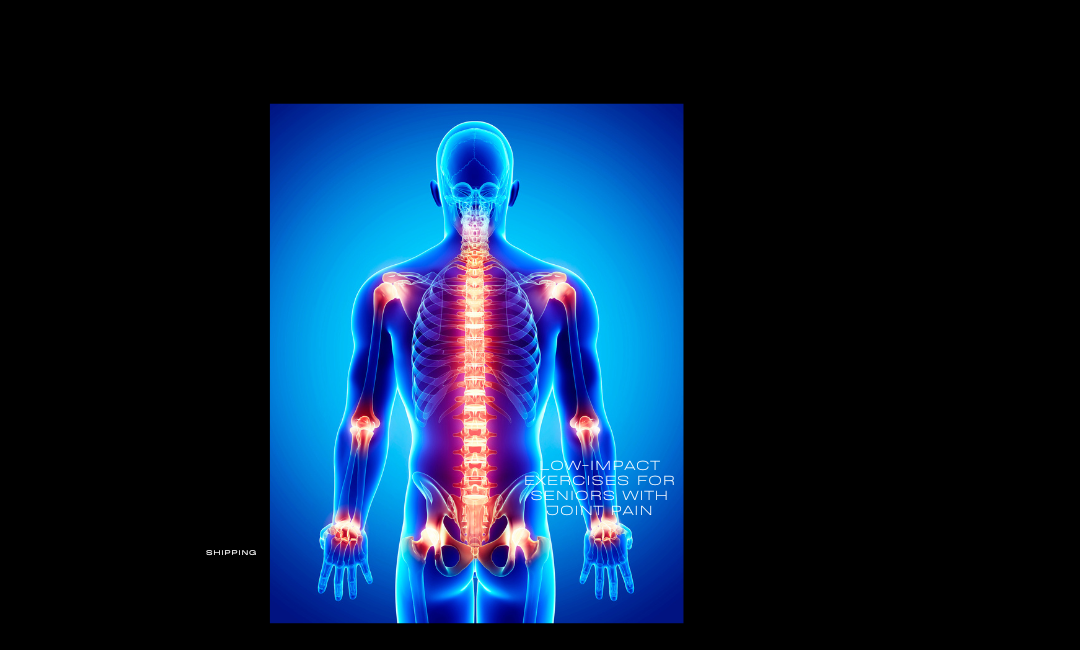
Low-Impact Exercises for Seniors with Joint Pain
As we age, our bodies undergo numerous changes that can impact mobility, flexibility, and overall health. For many seniors, joint pain becomes a significant challenge, often stemming from conditions such as arthritis, osteoporosis, or years of wear and tear. This discomfort can lead to reduced physical activity, which paradoxically can exacerbate the problem. Staying active, however, is one of the most effective ways to maintain joint health, improve mobility, and enhance quality of life. The key lies in choosing exercises that are gentle on the joints yet effective in building strength, flexibility, and endurance.
Low-impact exercises are ideal for seniors facing joint pain. These movements minimize stress on the joints while still providing significant health benefits, including improved circulation, enhanced muscle support for joints, and increased range of motion. They also reduce the risk of injury compared to high-impact workouts, making them safe and sustainable for older adults. In this blog, we’ll explore some of the best low-impact exercises that seniors can incorporate into their daily routines to manage joint pain, boost mobility, and maintain an active lifestyle.
The Benefits of Low-Impact Exercises
Before diving into specific exercises, it’s essential to understand why low-impact activities are particularly beneficial for seniors with joint pain:
- Joint Protection: These exercises avoid excessive strain on weight-bearing joints like knees and hips.
- Improved Flexibility: Gentle movements help maintain and improve the range of motion.
- Enhanced Strength: Strengthening surrounding muscles can alleviate pressure on painful joints.
- Better Balance: Many low-impact exercises improve coordination and stability, reducing the risk of falls.
- Increased Energy Levels: Regular physical activity boosts mood and combats fatigue, contributing to overall well-being.
Top Low-Impact Exercises for Seniors with Joint Pain
1. Swimming and Water Aerobics
Water-based exercises are among the best options for seniors with joint pain. The buoyancy of water reduces stress on joints, allowing for full-body movement without discomfort. Swimming can improve cardiovascular health, while water aerobics adds an element of resistance training to strengthen muscles.
Tip: Join a senior-friendly water aerobics class to stay motivated and meet others with similar fitness goals.
2. Walking
Walking is a simple yet effective low-impact exercise. It promotes cardiovascular health, strengthens bones, and improves joint mobility. Start with short distances and gradually increase duration as comfort improves.
Tip: Choose flat surfaces and wear supportive footwear to minimize joint strain.
3. Chair Yoga
Yoga enhances flexibility, balance, and strength through controlled movements and breathing exercises. For seniors with limited mobility, chair yoga offers a safe and effective way to reap the benefits of yoga without putting undue stress on the joints.
Tip: Focus on poses like seated twists, forward bends, and gentle neck stretches.
4. Cycling or Stationary Biking
Cycling is a low-impact cardiovascular exercise that strengthens the legs without stressing the knees. A stationary bike is an excellent option for home workouts, providing a controlled environment to build endurance.
Tip: Adjust the seat and handlebars to ensure proper posture and comfort.
5. Tai Chi
This ancient Chinese practice combines slow, flowing movements with deep breathing and mindfulness. Tai Chi improves flexibility, balance, and overall joint function, making it ideal for seniors.
Tip: Look for a beginner-friendly Tai Chi class tailored for older adults.
6. Resistance Band Exercises
Resistance bands offer a low-impact way to strengthen muscles without using heavy weights. Exercises like seated leg presses, bicep curls, and shoulder stretches can be done at home with minimal equipment.
Tip: Start with a light resistance band and gradually increase as strength improves.
7. Elliptical Training
An elliptical machine offers a low-impact alternative to running. The smooth gliding motion protects the joints while providing a full-body workout.
Tip: Set the resistance to a comfortable level to avoid overexertion.
8. Stretching Routines
Gentle stretching is crucial for maintaining joint flexibility and reducing stiffness. Incorporate stretches for major muscle groups, including hamstrings, calves, and shoulders.
Tip: Perform stretches after a warm-up or workout for the best results.
Tips for Getting Started
- Consult a Professional: Before starting any new exercise program, consult with a doctor or physical therapist to ensure it’s safe.
- Start Slow: Begin with short sessions and gradually increase intensity and duration.
- Listen to Your Body: If an exercise causes pain, stop immediately and adjust.
- Stay Consistent: Regular activity is key to reaping the benefits of low-impact exercises.
- Joint pain is a common challenge for seniors, yet it should not deter anyone from staying active. On the contrary, maintaining a regular exercise routine is vital for managing pain, improving joint function, and enhancing overall well-being. The secret lies in low-impact exercises—gentle, adaptable movements that promote health without exacerbating discomfort.
A sedentary lifestyle can lead to stiff joints, muscle atrophy, and reduced flexibility, which often increase the risk of falls and injuries. Incorporating low-impact exercises can combat these issues, helping seniors enjoy greater mobility, independence, and a higher quality of life. This article dives deeper into effective low-impact exercises tailored to seniors, offers practical advice on integrating them into daily routines, and highlights tips for overcoming challenges.
Additional Benefits of Low-Impact Exercises
Low-impact exercises offer much more than joint relief. Here are some additional benefits:
- Boosted Mood and Mental Health: Exercise releases endorphins, often referred to as “feel-good hormones,” which can reduce anxiety, depression, and feelings of isolation.
- Improved Circulation: Physical activity enhances blood flow, delivering oxygen and nutrients to tissues and promoting overall heart health.
- Weight Management: Maintaining a healthy weight reduces stress on joints, particularly the hips and knees.
- Better Sleep Quality: Regular exercise can help regulate sleep patterns, allowing for deeper, more restful sleep.
In-Depth Exercise Options for Joint Pain Management
Aquatic Therapy
Beyond swimming and water aerobics, aquatic therapy offers targeted exercises in a therapeutic pool setting. These exercises are often guided by a physical therapist and tailored to individual needs.
- Examples: Leg lifts, water walking, and wall push-offs.
- Why It Works: The resistance of water helps strengthen muscles without strain, while its buoyancy minimizes joint stress.
Pilates for Seniors
Pilates focuses on core strength, stability, and flexibility. It’s a fantastic option for seniors seeking to improve posture and support their joints. Many Pilates routines can be modified to be performed on a mat or with equipment like resistance bands.
- Examples: Pelvic tilts, leg circles, and seated spine stretches.
- Tip: Work with a certified instructor who specializes in senior fitness to ensure exercises are safe and effective.
Dance-Based Low-Impact Workouts
Light dance workouts, such as Zumba Gold or ballroom dancing, combine gentle cardio with fun and social interaction. These routines improve balance, coordination, and cardiovascular health.
- Examples: Slow salsa, waltz, or low-intensity freestyle dancing.
- Why It Works: Dancing is not only good for the body but also stimulates the brain, enhancing cognitive function.
Gentle Strength Training
Building muscle strength is crucial for joint stability. Light dumbbells or resistance bands can be used for strength training without risking joint strain.
- Examples: Chair squats, wall push-ups, and bicep curls with light weights.
- Tip: Focus on controlled, slow movements to avoid injury and maximize effectiveness.
Outdoor Activities
Connecting with nature can enhance the benefits of exercise. Activities like gardening, nature walks, or birdwatching while walking on soft terrain can provide both physical and emotional satisfaction.
- Why It Works: Being outdoors encourages longer exercise sessions and reduces stress levels.
- Tip: Use walking sticks for added support and stability.
Common Challenges and How to Overcome Them
- Fear of Pain or Discomfort:
- Solution: Start with very gentle movements and gradually increase intensity. Warm up before exercising to reduce stiffness.
- Lack of Motivation:
- Solution: Join a group class or find an exercise buddy for accountability and encouragement.
- Uncertainty About Proper Techniques:
- Solution: Consult a physical therapist or attend beginner-friendly classes led by certified instructors.
- Fatigue:
- Solution: Listen to your body and take breaks as needed. Short, consistent sessions are more beneficial than infrequent, intense workouts.
- Limited Mobility:
- Solution: Focus on seated exercises or water-based activities that reduce weight-bearing.
Sample Weekly Exercise Plan for Seniors
Day 1:
- 20-minute water aerobics session
- 10-minute gentle stretching
Day 2:
- 15-minute walk on flat terrain
- 10 minutes of chair yoga
Day 3:
- Rest or light gardening for 30 minutes
Day 4:
- 20 minutes of stationary cycling
- 5 minutes of balance exercises (e.g., heel-to-toe walking)
Day 5:
- 15 minutes of Tai Chi
- 5 minutes of resistance band exercises
Day 6:
- 20-minute dance session (e.g., Zumba Gold)
- 10 minutes of deep stretching
Day 7:
- Rest or a leisurely outdoor activity like birdwatching or gardening
Staying Motivated Long-Term
- Set Realistic Goals: Start small, such as a 10-minute daily walk, and gradually increase the duration or intensity.
- Track Progress: Keep a journal to log exercises and celebrate milestones.
- Incorporate Variety: Switch up routines to keep them engaging and prevent boredom.
- Seek Support: Join community groups or online forums to connect with others who share similar goals.
- es can significantly improve joint health, increase mobility, and foster an overall sense of well-being. For seniors, who often contend with conditions like arthritis, osteoporosis, or wear-and-tear injuries, low-impact exercise provides a safe and sustainable way to maintain fitness without exacerbating pain.
In this expanded guide, we’ll delve deeper into the specifics of these exercises, explore their profound impact on physical and emotional health, and offer advanced tips to maximize benefits. Let’s empower seniors with the tools and knowledge they need to embrace movement confidently, safely, and joyfully.
How Joint Pain Affects Mobility
Joint pain can stem from various causes, including:
- Arthritis: Both osteoarthritis and rheumatoid arthritis lead to joint inflammation and stiffness.
- Injuries: Previous joint injuries can lead to chronic discomfort.
- Aging: Cartilage naturally wears down over time, reducing cushioning between bones.
- Lifestyle Factors: Sedentary habits, poor posture, and obesity can increase joint strain.
This pain often creates a vicious cycle—less movement leads to stiffness and muscle weakening, which further worsens joint health. Low-impact exercises break this cycle by encouraging movement in a gentle, manageable way.
Advanced Low-Impact Exercise Techniques
1. Pool-Based Strength Training
While swimming and water aerobics are popular, resistance exercises in water take joint care to the next level. Using water dumbbells or resistance paddles, seniors can strengthen muscles that support the joints while enjoying the therapeutic properties of water.
- Examples:
- Water bicep curls using foam dumbbells.
- Leg lifts against water resistance.
- Aqua squats for knee and hip mobility.
- Why It’s Effective: The water reduces impact while providing resistance, which strengthens muscles without risk.
2. Functional Fitness Movements
Functional exercises mimic everyday activities to enhance strength, balance, and joint stability. These are particularly useful for seniors looking to maintain independence in daily tasks.
- Examples:
- Sit-to-stand movements to strengthen leg and hip muscles.
- Carrying light weights to mimic lifting groceries or household items.
- Reaching exercises to maintain shoulder and arm mobility.
- Pro Tip: Perform these exercises with a sturdy chair or stable support for added safety.
3. Progressive Balance Training
Balance is a critical aspect of physical fitness that often declines with age. For seniors, particularly those experiencing joint pain, maintaining good balance is essential for preventing falls, which can lead to severe injuries and prolonged recovery times. Progressive balance training focuses on gradually improving stability, coordination, and proprioception (awareness of body position). This allows seniors to move with greater confidence and ease in their daily lives.
Low-impact balance exercises are an excellent complement to other forms of exercise, as they strengthen stabilizing muscles, enhance posture, and improve joint support. Below, we explore detailed balance training techniques and strategies for seniors with joint pain.
Why Balance Training Is Essential for Seniors
- Fall Prevention: Falls are one of the leading causes of injury among seniors. Improving balance reduces the risk of falls and injuries.
- Joint Stability: Strengthening stabilizing muscles around the joints, such as the ankles, knees, and hips, alleviates strain on painful areas.
- Confidence Boost: Better balance leads to increased confidence in performing everyday tasks, from climbing stairs to walking outdoors.
- Improved Posture: Balance exercises promote proper alignment, which reduces stress on the joints and enhances mobility.
Progressive Balance Exercises
The key to progressive balance training is starting with simple movements and gradually increasing the level of difficulty as confidence and strength improve.
1. Static Balance Exercises
Static exercises involve holding a position without movement, which helps build foundational stability.
- Single-Leg Stand:
- Stand behind a sturdy chair or countertop for support.
- Lift one foot slightly off the ground and hold the position for 10–15 seconds.
- Repeat with the other leg.
- Gradually reduce reliance on the support as balance improves.
- Tandem Stance (Heel-to-Toe Stance):
- Stand with one foot directly in front of the other, heel touching the toes of the back foot.
- Hold the position for 10–15 seconds.
- Switch foot positions and repeat.
2. Dynamic Balance Exercises
Dynamic exercises involve controlled movements that challenge balance while in motion, Low-Impact Exercises for Seniors with Joint Pain.
- Heel-to-Toe Walk (Tightrope Walk):
- Walk in a straight line, placing the heel of one foot directly in front of the toes of the other foot with each step, Low-Impact Exercises for Seniors with Joint Pain.
- Use a wall or rail for support if needed.
- Perform 10–12 steps and repeat, Low-Impact Exercises for Seniors with Joint Pain.
- Step-Ups:
- Use a low step or sturdy platform.
- Step up with one foot, then bring the other foot up to meet it. Step down one foot at a time, Low-Impact Exercises for Seniors with Joint Pain.
- Perform 10 repetitions, alternating lead legs, Low-Impact Exercises for Seniors with Joint Pain.
3. Dynamic Exercises with Movement and Focus
Adding visual or cognitive tasks to balance exercises can enhance focus and coordination, Low-Impact Exercises for Seniors with Joint Pain.
- Head Turns During Walking:
- Walk forward slowly while turning your head side to side.
- This challenges your balance and vestibular system (responsible for spatial orientation), Low-Impact Exercises for Seniors with Joint Pain.
- Obstacle Navigation:
- Set up small obstacles, like cones or rolled towels, and practice stepping over them.
- This mimics real-world situations like stepping over curbs or uneven surfaces, Low-Impact Exercises for Seniors with Joint Pain.
Advanced Balance Training for Seniors
For those who have built confidence in basic exercises, introducing advanced techniques can further enhance stability, Low-Impact Exercises for Seniors with Joint Pain.
- Use of Balance Tools:
- Balance Cushion or Disc: Stand on a balance cushion to increase instability and challenge core muscles.
- Bosu Ball: Perform simple exercises like standing or light squats on a Bosu ball for added difficulty, Low-Impact Exercises for Seniors with Joint Pain.
- Incorporating Movement with Resistance:
- Use light resistance bands to perform movements that require balance, such as lateral leg lifts or arm stretches, while maintaining stability, Low-Impact Exercises for Seniors with Joint Pain.
- Yoga Balance Poses:
- Tree Pose: Stand on one leg while placing the sole of the other foot against the inner thigh or calf of the standing leg.
- Warrior III: Lean forward with one leg extended behind you and arms outstretched, forming a straight line from fingertips to toes, Low-Impact Exercises for Seniors with Joint Pain.
Tips for Effective Balance Training
- Start with Support: Use a sturdy chair, rail, or wall for assistance until confidence grows.
- Wear Proper Footwear: Non-slip, supportive shoes reduce the risk of slipping during exercises, Low-Impact Exercises for Seniors with Joint Pain.
- Engage Core Muscles: Tighten abdominal muscles during balance exercises to improve stability, Low-Impact Exercises for Seniors with Joint Pain.
- Practice Regularly: Consistency is key—practice balance exercises at least three times per week, Low-Impact Exercises for Seniors with Joint Pain.
- Stay Safe: Ensure the exercise area is free from clutter or tripping hazards, Low-Impact Exercises for Seniors with Joint Pain.
Practical Applications of Balance Training
Progressive balance training prepares seniors for real-life challenges, Low-Impact Exercises for Seniors with Joint Pain.
- Navigating uneven terrain, such as grassy areas or cobblestone paths.
- Carrying groceries or laundry baskets while walking.
- Climbing stairs or stepping over obstacles without losing balance.
- Recovering quickly from a slip or stumble, minimizing the risk of falls, Low-Impact Exercises for Seniors with Joint Pain.
- Examples:
- Heel-to-toe walking (as if walking on a straight line).
- Standing leg lifts while holding onto a countertop.
- Single-leg balance with light support from a chair or wall.
- Advanced Tip: Use a balance cushion or Bosu ball for a greater challenge once basic movements feel stable, Low-Impact Exercises for Seniors with Joint Pain.
4. Stretch-and-Strengthen Yoga Routines
For seniors who enjoy yoga, consider transitioning from basic chair yoga to floor-based routines that are still gentle but provide a greater range of motion, Low-Impact Exercises for Seniors with Joint Pain.
- Advanced Poses for Joint Health:
- Child’s pose for spinal and hip flexibility.
- Modified downward dog to stretch hamstrings and shoulders.
- Bridge pose to strengthen the lower back and glutes, which support the hips, Low-Impact Exercises for Seniors with Joint Pain.
5. Elastic Band Workouts
Resistance bands are portable, cost-effective tools that add variety to low-impact routines. They help strengthen muscles, which in turn stabilize the joints, Low-Impact Exercises for Seniors with Joint Pain.
- Examples:
- Seated rows to strengthen upper back and shoulders.
- Leg presses while seated or lying down, Low-Impact Exercises for Seniors with Joint Pain.
- Overhead pulls to enhance shoulder mobility and arm strength.
- Pro Tip: Choose bands with light resistance initially and gradually increase tension as strength improves, Low-Impact Exercises for Seniors with Joint Pain.
Customizing Exercise Routines for Individual Needs
- For Arthritis Patients: Focus on slow, rhythmic movements to reduce stiffness. Swimming, Tai Chi, and yoga are particularly effective.
- For Osteoporosis: Include weight-bearing exercises like walking or dancing to improve bone density, but avoid high-impact movements.
- For Post-Surgery Recovery: Water-based exercises or stationary cycling can aid recovery while minimizing joint impact.
- For Obese Individuals: Begin with seated exercises or pool-based activities to reduce strain on weight-bearing joints, Low-Impact Exercises for Seniors with Joint Pain.
Practical Tips for Overcoming Barriers
1. Dealing with Flare-Ups
Joint pain can sometimes flare up unpredictably. On such days, Low-Impact Exercises for Seniors with Joint Pain.
- Opt for stretching or gentle yoga instead of skipping movement entirely.
- Apply a warm compress to soothe stiff joints before exercising, Low-Impact Exercises for Seniors with Joint Pain.
2. Building Consistency
Consistency is crucial for joint health, but it can be challenging to stay motivated, Low-Impact Exercises for Seniors with Joint Pain.
- Set small goals: Commit to a 10-minute walk instead of aiming for an hour-long workout.
- Track progress: Use a journal or app to celebrate improvements in mobility or reduced pain.
3. Seeking Professional Guidance
Working with a physical therapist or certified senior fitness instructor ensures exercises are tailored to individual needs and abilities, Low-Impact Exercises for Seniors with Joint Pain.
Incorporating Low-Impact Exercise into Daily Life
Exercise doesn’t have to be confined to a specific time or place. Incorporate movement into daily routines, Low-Impact Exercises for Seniors with Joint Pain.
- Use commercial breaks during TV shows to perform simple stretches.
- Replace sitting time with standing or light pacing during phone calls.
- Take the stairs when possible, but at a comfortable pace and with a handrail for support.
Success Stories: Seniors Thriving Through Movement
Hearing about others’ experiences can be incredibly inspiring, Low-Impact Exercises for Seniors with Joint Pain.
- Margaret, 72: After incorporating chair yoga and walking into her routine, Margaret noticed a significant reduction in knee pain and regained her ability to garden.
- James, 68: Water aerobics helped James improve his hip flexibility, allowing him to enjoy fishing trips with his grandchildren again,
Low-Impact Exercises for Seniors with Joint Pain.
Conclusion: Embrace Movement, Embrace Life
Low-impact exercises are more than just a way to manage joint pain; they are a gateway to a healthier, happier, and more fulfilling life. By prioritizing gentle movement, seniors can unlock greater mobility, reduce discomfort, and maintain their independence for years to come.
The journey to better health doesn’t require dramatic changes or high-intensity workouts. It starts with a single step—a gentle stretch, a lap in the pool, or a short walk. With patience, persistence, and the right approach, seniors can overcome the challenges of joint pain and rediscover the joy of movement.
Remember, every movement counts, and each effort brings you closer to a stronger, more active you!