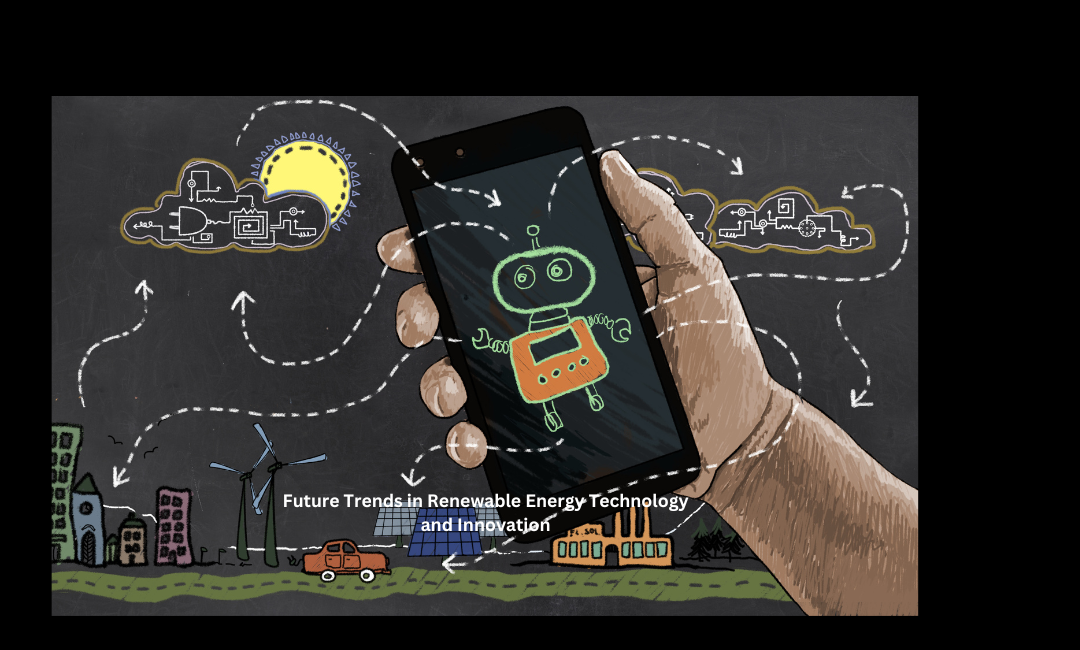
Future Trends in Renewable Energy Technology and Innovation
The renewable energy sector is at the forefront of the global transition toward sustainable development, driven by technological innovation, environmental urgency, and an evolving energy market. As the effects of climate change become more pronounced, the demand for cleaner and more efficient energy solutions has skyrocketed. Governments, businesses, and individuals worldwide are increasingly committed to reducing carbon emissions and embracing renewable energy as a critical component of the solution. But the question remains: What does the future hold for renewable energy technology?
In recent years, advancements in solar, wind, hydro, and geothermal technologies have revolutionized how we harness energy from natural sources. However, this is just the beginning. The industry is evolving rapidly, with breakthrough innovations and new technologies poised to address current challenges, such as energy storage, grid stability, and cost-effectiveness. The future promises a renewable energy landscape that is not only more efficient and accessible but also deeply integrated with digital technologies like artificial intelligence (AI) and the Internet of Things (IoT).
This blog dives into the transformative trends shaping the future of renewable energy, exploring cutting-edge technologies, emerging markets, and the game-changing innovations that are redefining how we produce, store, and consume energy.
Key Trends Driving the Future of Renewable Energy
Next-Generation Solar Technologies
The solar industry continues to be a cornerstone of renewable energy, but emerging innovations are set to make it even more impactful. Technologies like perovskite solar cells, which promise higher efficiency and lower manufacturing costs, are gaining traction. These lightweight and flexible cells could revolutionize applications ranging from residential rooftops to portable devices.
Other advancements, such as bifacial solar panels (which capture sunlight from both sides) and transparent solar panels (usable in windows and building materials), are expanding the possibilities for solar integration in urban landscapes. Additionally, research into solar paint and nanotechnology-based photovoltaics is likely to redefine how solar energy is harvested.
Advanced Wind Turbine Designs
Wind energy remains one of the most cost-effective renewable sources, but its future depends on optimizing turbine designs. Innovations like vertical-axis wind turbines (VAWTs), which are more compact and efficient in turbulent wind conditions, are entering the market.
Offshore wind farms are also seeing revolutionary changes, with floating wind turbines enabling energy generation in deeper waters, where winds are stronger and more consistent. Additionally, advancements in turbine blade materials and smart monitoring systems, powered by AI and IoT, are improving efficiency and reducing maintenance costs.
Energy Storage Solutions
One of the most significant challenges for renewable energy is storage. The intermittent nature of solar and wind energy necessitates reliable storage technologies to ensure a stable supply. Solid-state batteries, flow batteries, and hydrogen fuel cells are among the leading contenders to revolutionize energy storage.
Breakthroughs in grid-scale battery systems and vehicle-to-grid (V2G) technologies are enabling greater integration of renewables into existing power systems. In the near future, we can expect decentralized storage solutions that allow consumers to generate, store, and share energy efficiently.
Smart Grids and Digital Integration
The integration of renewable energy with existing power grids requires advanced digital infrastructure. Smart grids, equipped with AI-driven analytics and IoT devices, enable real-time energy management, optimizing supply and demand while reducing waste.
Blockchain technology is also making waves in the energy sector, allowing for peer-to-peer energy trading and more transparent transactions. This decentralized model empowers consumers to become “prosumers,” both producing and consuming energy.
Hydrogen as a Clean Fuel
Hydrogen is emerging as a key player in the renewable energy landscape. Green hydrogen, produced through electrolysis powered by renewable energy, has the potential to decarbonize industries that are hard to electrify, such as heavy manufacturing and long-haul transport.
Countries and companies are investing heavily in hydrogen infrastructure, including pipelines, storage facilities, and fuel cell technology. The development of hydrogen-powered vehicles and hybrid renewable systems is paving the way for a hydrogen-based economy.
Off-Grid Renewable Systems
The future of renewable energy also includes decentralized, off-grid systems that provide power to remote and underserved areas. Solar microgrids and small-scale wind installations are becoming viable solutions for energy access in developing regions.
These systems, combined with affordable storage options, can empower communities while reducing reliance on fossil fuels. Moreover, advancements in portable renewable systems are enabling disaster relief efforts and emergency power solutions in challenging environments.
Bioenergy and Waste-to-Energy Innovations
Bioenergy is undergoing a renaissance with innovations in second-generation biofuels made from non-food crops and waste products. Technologies like anaerobic digestion and plasma gasification are transforming organic waste into valuable energy resources, reducing landfill dependency and promoting a circular economy.
Algae-based biofuels, which require minimal land and water, are also gaining traction as a sustainable alternative to traditional biofuels.
The Role of Policy and Investment
The future of renewable energy technology depends not only on innovation but also on supportive policies and substantial investments. Governments worldwide are implementing incentives, subsidies, and ambitious climate goals to accelerate renewable energy adoption. Private sector investments in research and development, coupled with partnerships between tech companies and energy providers, are driving rapid progress.
Challenges Ahead
Despite the promising trends, challenges remain. The upfront costs of deploying advanced renewable technologies can be prohibitive for some regions. Additionally, integrating intermittent renewable sources with aging grid infrastructures requires strategic planning and investment. Addressing these barriers will require collaboration across industries and sectors.
The global energy landscape is undergoing a monumental shift, transitioning from traditional fossil fuel-based systems to a cleaner, greener, and more sustainable model. Renewable energy technologies are at the core of this evolution, with innovations and advancements shaping the future of energy production, distribution, and consumption. The urgency to mitigate climate change, coupled with growing energy demands and the need for energy security, has accelerated investments in renewable energy research and development.
In the past two decades, the world has witnessed the rise of solar panels, wind turbines, and hydropower plants as reliable sources of clean energy. However, the future holds even greater promise, with technologies evolving to address efficiency, scalability, and integration challenges. The introduction of smart grids, AI-powered systems, and breakthroughs in energy storage is paving the way for a future where renewable energy becomes not just a viable alternative but the dominant force in the global energy market.
This in-depth exploration highlights the key trends that will define the future of renewable energy, delves into the innovative technologies poised to revolutionize the industry, and discusses how policy, investment, and collaboration will shape the transition to a sustainable energy ecosystem.
Emerging Trends in Renewable Energy Technology
Solar Energy Innovations: Beyond the Panels
Solar power is no longer limited to large-scale farms and rooftop installations. Cutting-edge research is pushing the boundaries of how sunlight can be harvested.
Perovskite Solar Cells: These next-generation solar cells offer efficiency levels that rival or surpass traditional silicon-based cells, while being cheaper and easier to produce. Their lightweight and flexible nature opens doors to new applications, from clothing to vehicle integration.
Transparent Solar Panels: Imagine skyscrapers generating their own energy through windows that double as solar panels. Transparent solar panels are turning this vision into reality, promising energy generation without compromising aesthetics.
Solar Paint and Coatings: Researchers are developing photovoltaic paint that can be applied to surfaces to generate electricity, transforming everyday objects into energy producers.
Advanced Wind Energy Systems: Harnessing Wind Potential Everywhere
Wind energy has grown significantly, thanks to improved turbine designs and offshore developments. The future of wind energy includes:
Floating Wind Farms: These allow turbines to be placed in deeper waters where wind speeds are higher, unlocking new areas for energy production.
Vertical-Axis Wind Turbines (VAWTs): Unlike traditional horizontal-axis turbines, VAWTs are compact and efficient in areas with turbulent wind conditions, making them ideal for urban environments.
Energy Harvesting from Low-Level Winds: Technologies like airborne wind turbines use kites or drones to capture wind energy at altitudes where it’s stronger and more consistent.
Breakthroughs in Energy Storage
Energy storage is the backbone of the renewable energy revolution, addressing the intermittency of solar and wind power. Innovations in this space include:
Solid-State Batteries: Offering higher energy densities and safety, these batteries are expected to replace traditional lithium-ion systems in various applications.
Flow Batteries: Ideal for grid-scale storage, these systems store energy in liquid electrolytes, enabling scalable and long-duration storage solutions.
Hydrogen Storage: Hydrogen fuel cells are emerging as a powerful solution for storing excess renewable energy, particularly for industrial applications and heavy transport.
Smart Energy Grids and AI Integration
The traditional energy grid is evolving into a smart, dynamic network capable of integrating decentralized renewable energy sources. Key developments include:
AI-Powered Energy Management: Artificial intelligence is optimizing energy production, consumption, and distribution, reducing waste and improving grid stability.
IoT in Energy Monitoring: Smart sensors and devices enable real-time monitoring of energy systems, allowing for predictive maintenance and efficient energy allocation.
Peer-to-Peer Energy Trading: Using blockchain technology, individuals and businesses can trade excess energy generated from renewable sources, creating decentralized energy markets.
Hydrogen: The Fuel of the Future
Hydrogen is being hailed as the key to decarbonizing sectors that are difficult to electrify, such as heavy industry and long-haul transportation.
Green Hydrogen Production: Electrolysis powered by renewable energy produces hydrogen without emissions, creating a sustainable energy carrier.
Hydrogen-Powered Transport: From buses and trucks to trains and ships, hydrogen fuel cells are making zero-emission transportation a reality.
Hydrogen Storage and Distribution: Innovations in pipeline networks and storage tanks are addressing the logistical challenges of building a hydrogen economy.
Expanding Access with Decentralized Renewable Systems
Decentralized systems are making renewable energy more accessible to remote and underserved areas.
Solar Microgrids: Small-scale solar installations are providing reliable energy to rural communities, reducing reliance on fossil fuels and costly grid extensions.
Portable Renewable Energy Solutions: Compact solar panels and wind turbines are enabling mobile energy solutions for disaster relief and off-grid living.
Energy-as-a-Service (EaaS): Subscription-based models allow businesses and individuals to access renewable energy infrastructure without upfront costs, democratizing access to clean power.
Bioenergy and Waste-to-Energy Transformation
Bioenergy is leveraging organic waste to create sustainable fuel alternatives. Key innovations include:
Algae-Based Biofuels: These biofuels require minimal land and water and have a high energy yield, making them a promising alternative for aviation and shipping industries.
Plasma Gasification: This technology converts waste into energy by using high-temperature plasma, reducing landfill dependency and generating electricity.
Circular Bioeconomy Models: By integrating bioenergy production with waste management systems, industries are moving toward a closed-loop economy.
The Role of Policy and Investment in Renewable Innovation
While technological advancements drive progress, policy frameworks and financial investments are equally crucial. Governments worldwide are setting ambitious renewable energy targets, offering incentives for clean energy adoption, and funding R&D initiatives. Simultaneously, private-sector investments in renewable startups and large-scale projects are accelerating innovation.
Collaborative efforts between countries, such as cross-border renewable energy grids, are also emerging as powerful tools to ensure global energy stability.
Challenges and Opportunities
The journey to a renewable future is not without obstacles. High upfront costs, technological integration challenges, and the need for skilled professionals are key hurdles. However, these challenges present opportunities for innovation, policy reform, and international collaboration.
As the world marches toward a net-zero emissions future, renewable energy technology is poised to play a transformative role. Innovation is no longer an option; it is a necessity to meet the growing demand for sustainable and reliable energy. The renewable energy sector, once a niche market, has now become a cornerstone of global energy policies and business strategies. This comprehensive analysis explores even more dimensions of renewable energy advancements, including upcoming trends, regional innovations, and how emerging markets are redefining the global energy landscape.
Expanding the Renewable Energy Horizon
The future of renewable energy encompasses more than technological advancements—it represents a holistic shift in how energy is perceived, produced, and consumed. The following trends and innovations illustrate the multi-dimensional growth of this industry:
Artificial Intelligence and Machine Learning in Energy Optimization
The integration of AI and machine learning (ML) is revolutionizing renewable energy systems, enabling smarter, more adaptive energy management.
Predictive Analytics for Energy Production: AI systems can predict weather patterns and optimize the operation of solar and wind farms, ensuring maximum efficiency and reducing downtime.
Grid Stability Management: ML algorithms analyze real-time data to balance electricity supply and demand, preventing grid overloads and blackouts.
Energy Demand Forecasting: By using AI, utility companies can better predict consumer energy needs, reducing waste and enhancing energy distribution.
The Role of Quantum Computing in Energy Systems
Quantum computing, though still in its infancy, has immense potential to revolutionize renewable energy systems.
Enhanced Material Research: Quantum computers can simulate and optimize materials for solar panels, batteries, and wind turbines at an atomic level, leading to groundbreaking efficiency improvements.
Grid Optimization: Quantum algorithms can solve complex optimization problems related to energy distribution in seconds, ensuring better grid management.
Accelerating Hydrogen Research: Quantum computing could significantly improve the efficiency of electrolysis processes, making green hydrogen more affordable and scalable.
Hybrid Renewable Energy Systems
Combining multiple renewable sources into a single system can maximize efficiency and reliability.
Solar-Wind Hybrids: Hybrid systems that integrate solar and wind power are emerging as a solution to mitigate intermittency issues, providing energy stability throughout the day and night, Future Trends in Renewable Energy.
Hybrid Solar-Thermal Plants: By combining solar photovoltaic (PV) systems with thermal storage, hybrid plants can store excess energy as heat, providing round-the-clock energy solutions, Future Trends in Renewable Energy.
Renewable-Backup Systems: Hybrid setups incorporating renewable sources with battery storage or hydrogen fuel cells ensure a seamless energy supply, even during peak demand or adverse weather conditions, Future Trends in Renewable Energy.
Floating Solar Farms (Floatovoltaics)
With land scarcity becoming a concern, floating solar farms—solar panels installed on water bodies—are gaining traction, Future Trends in Renewable Energy.
Space Optimization: These systems utilize reservoirs, lakes, and even oceans to produce solar energy without consuming valuable land resources, Future Trends in Renewable Energy.
Cooler Operating Temperatures: Water’s natural cooling effect improves solar panel efficiency, generating more power per unit, Future Trends in Renewable Energy.
Dual Benefits: Floating solar farms also reduce water evaporation in reservoirs and provide a sustainable way to utilize unused water bodies, Future Trends in Renewable Energy.
Marine Energy Innovations
The ocean represents an untapped reservoir of energy, with new technologies emerging to harness its immense potential.
Tidal Power: Advanced tidal turbines and barrages are capturing predictable energy from ocean tides, Future Trends in Renewable Energy.
Wave Energy Converters: Devices like oscillating water columns and point absorbers are converting wave energy into electricity, Future Trends in Renewable Energy.
Ocean Thermal Energy Conversion (OTEC): This cutting-edge technology uses temperature differences between warm surface water and cold deep water to generate power, offering a continuous energy source, Future Trends in Renewable Energy.
Sustainable Battery Technologies
The future of renewable energy heavily relies on sustainable, high-performance batteries, Future Trends in Renewable Energy.
Sodium-Ion Batteries: A cheaper and more abundant alternative to lithium-ion batteries, sodium-ion technology is gaining traction for grid-scale applications, Future Trends in Renewable Energy.
Recyclable Battery Components: Research is focusing on designing batteries with fully recyclable materials, reducing environmental impact and dependency on rare earth metals, Future Trends in Renewable Energy.
Bio-Inspired Energy Storage: Mimicking natural processes, such as photosynthesis, to create organic batteries that are environmentally friendly and efficient, Future Trends in Renewable Energy.
Renewable Energy Integration in Urban Environments
As urbanization accelerates, cities are becoming hubs for renewable energy integration, Future Trends in Renewable Energy.
Building-Integrated Photovoltaics (BIPV): Solar panels are being incorporated into the very fabric of buildings, such as rooftops, walls, and windows, making urban structures self-sustaining energy producers, Future Trends in Renewable Energy.
Smart City Initiatives: Cities are leveraging renewable energy alongside IoT and AI to create interconnected systems for transportation, lighting, and waste management, Future Trends in Renewable Energy.
Urban Wind Turbines: Compact and noise-reduced turbines are being designed for installation in city environments, capturing wind energy in urban spaces.’ Future Trends in Renewable Energy.
Regional Innovations in Renewable Energy
Different regions are leveraging unique resources and conditions to develop specialized renewable energy solutions, Future Trends in Renewable Energy.
Desert Solar Farms in the Middle East and North Africa (MENA): Countries like Morocco and Saudi Arabia are leading massive solar projects to utilize abundant sunlight in desert areas, Future Trends in Renewable Energy.
Geothermal Development in the Pacific Ring of Fire: Nations such as Indonesia and the Philippines are investing heavily in geothermal energy, taking advantage of volcanic activity, Future Trends in Renewable Energy.
Offshore Wind in Europe: The North Sea is home to some of the world’s largest offshore wind projects, with Europe setting ambitious targets for further expansion, Future Trends in Renewable Energy.
Renewable Energy in Emerging Markets
Emerging economies are driving renewable energy growth by leapfrogging traditional energy systems, Future Trends in Renewable Energy.
Africa’s Solar Revolution: Off-grid solar solutions are transforming energy access across Africa, providing electricity to rural communities for the first time, Future Trends in Renewable Energy.
India’s Wind and Solar Expansion: India’s ambitious renewable energy targets have led to large-scale wind and solar projects, supported by government subsidies, Future Trends in Renewable Energy.
Latin America’s Hydropower Renaissance: Countries like Brazil and Chile are optimizing their vast water resources to generate clean energy while exploring solar and wind, Future Trends in Renewable Energy.
The Economic and Environmental Benefits of Renewable Energy Innovation
The future of renewable energy innovation extends beyond technological gains, bringing significant economic and environmental benefits, Future Trends in Renewable Energy.
Job Creation: Renewable energy sectors are labor-intensive, generating millions of jobs in manufacturing, installation, and maintenance, Future Trends in Renewable Energy.
Cost Reductions: As technology advances, the cost of renewable energy continues to decline, making it more accessible for developing nations, Future Trends in Renewable Energy.
Carbon Neutrality: The widespread adoption of renewables will significantly reduce global greenhouse gas emissions, helping to combat climate change ,Future Trends in Renewable Energy.
Looking Ahead: A Global Commitment to Renewable Energy
The global renewable energy transition requires collective action across governments, industries, and individuals. Policies promoting innovation, financing mechanisms for large-scale projects, and public awareness campaigns will be critical in ensuring success.
The future of renewable energy is not a distant dream but an achievable reality. With continuous innovation, regional collaboration, and a unified vision, renewable energy technologies will drive humanity toward a sustainable, prosperous, and resilient future.